

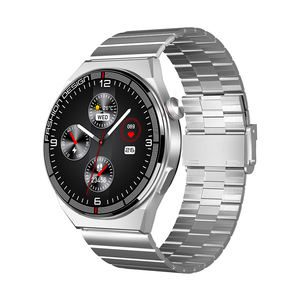
Quick answer: A successful private label smartwatch launch requires more than adding a logo. Importers should approve one controlled product specification, verify the app and languages, finalize packaging and manuals, review market-specific documentation, define inspection criteria, and agree on after-sales handling before bulk production.
This practical checklist is designed for European and North American importers, distributors, e-commerce sellers, and emerging wearable brands. It turns a broad private label smartwatch request into a project that suppliers and buyers can follow, compare, and verify.
What is a private label smartwatch project?
A private label smartwatch project normally starts with an existing wearable platform and adapts selected customer-facing elements for a buyer’s brand. Depending on the platform and order plan, this may include the watch logo, startup screen, watch faces, packaging, manual, labels, product photography, and selected app or language elements.
Private label, OEM, and ODM are not used consistently by every supplier. The safest approach is to define the exact deliverables in writing. For a deeper supplier comparison, read our B2B smartwatch supplier selection guide.
1. Create a one-page product brief
Before requesting quotations, document the intended customer, destination markets, sales channels, priority functions, design direction, packaging format, languages, and expected order schedule. Separate essential requirements from optional preferences.
- Target buyer: fitness users, business users, families, older adults, or general lifestyle customers.
- Sales channel: distributor network, marketplace, specialist retail, corporate program, or direct online sales.
- Product priorities: screen, materials, battery expectations, calling, notifications, sports modes, location functions, or open-ear audio integration.
- Brand scope: logo placement, colors, watch faces, packaging, manual, labels, and marketing assets.
A precise brief prevents different suppliers from quoting unrelated products and makes sample evaluation more objective.
2. Lock the approved sample specification
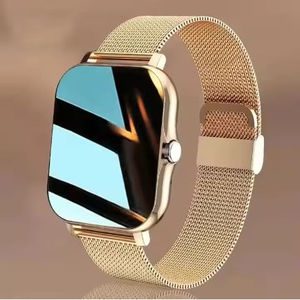
Record the approved sample’s hardware, case color, strap, charger, firmware, app name, supported phones, language package, accessories, and packaging version. Photographs are useful, but a written specification is more reliable for repeat orders.
Test the sample in the real customer workflow: charging, pairing, notifications, calls where applicable, firmware updates, battery use, display visibility, strap comfort, and recovery after a lost connection. Any requested change should receive a revision number and a new approval.
3. Define branding without creating confusion
Ask where branding can be applied and request a visual proof before production. Common locations include the watch body, startup screen, watch face, gift box, sleeve, manual, label, and outer carton. Confirm acceptable logo formats, print colors, minimum line thickness, and placement tolerances.
Do not place certification marks, health claims, waterproof statements, or third-party platform logos on packaging until their use has been checked for the exact product and destination. Marketing language should accurately describe functions without presenting a consumer wearable as a diagnostic medical device.
4. Build retail-ready packaging and manuals
Custom smartwatch packaging must protect the product, explain the essential setup steps, and carry the information required by the intended market. Ask for a dieline or editable artwork template and create a controlled artwork approval process.
- Product and brand name
- Contents of the box
- Charging and pairing instructions
- App download method and compatibility notes
- Responsible company and contact information where required
- Country-of-origin, recycling, battery, and warning information where applicable
- Barcode, SKU, batch, or serial-number plan
Have translations reviewed by a native or professional reviewer. Machine translation alone can create confusing setup instructions and avoidable support requests.
5. Verify the app and localization experience
The app is part of the product, not an optional accessory. Test account creation, permissions, pairing, notification controls, firmware updates, language quality, data handling notices, and customer support routes on current Android and iOS devices.
Ask who maintains the app, how updates are communicated, and what happens if a phone operating system changes. If app branding or deeper software changes are offered, define ownership, maintenance, store-account responsibilities, and update costs before approval.
6. Review documentation for the exact configuration
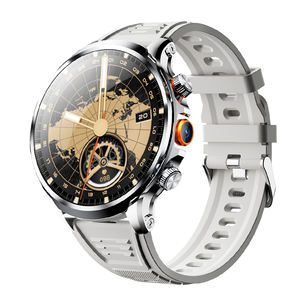
Documentation requirements depend on the destination, radio functions, battery, materials, claims, importer role, and exact configuration. Request available reports and declarations for the same hardware and firmware version you intend to buy. A similar-looking model is not automatically covered.
Typical discussions may include radio and EMC testing, battery transport information, material declarations, labels, manuals, and packaging obligations. The importer or a qualified compliance adviser should verify the final requirements before launch.
7. Agree on quality inspection criteria
Define what will be checked before shipment: appearance, logo position, display, buttons, charging, pairing, sensors, calling, accessories, packaging, labels, quantities, and carton condition. Agree how samples are selected, how defects are classified, and what happens if the inspection does not pass.
Inspection criteria should match the approved sample and specification. Adding new requirements after production creates delays and disputes that a clear pre-production checklist can avoid.
8. Plan after-sales support before the first order
Prepare a troubleshooting guide, customer FAQ, replacement procedure, spare-unit plan, and method for collecting bug information. Agree response times and identify which issues are handled by the importer, supplier, app provider, or logistics partner.
For B2B buyers, repeatable support is often more valuable than a small unit-price difference. It protects reviews, distributor relationships, and future replenishment.
9. Use a pilot order before scaling
A controlled pilot order can validate packaging, app onboarding, translations, customer questions, logistics, and defect handling before a larger rollout. Record feedback in a change log and approve a final production specification for subsequent orders.
Private label smartwatch launch timeline
- Brief: target market, features, branding, quantity range, and launch date.
- Selection: shortlist platforms and review commercial assumptions.
- Sample: test product, app, languages, charger, and accessories.
- Artwork: approve logo, packaging, manual, labels, and barcodes.
- Documentation: verify applicability with the responsible adviser.
- Pilot and inspection: confirm the complete customer experience.
- Bulk delivery: track milestones, shipment documents, and support preparation.
How SmartByHJ supports wearable projects
SmartByHJ is a Shenzhen-based B2B smart-wearables sourcing and project coordination partner. We help overseas buyers organize product requirements, compare suitable platforms, coordinate samples, clarify branding and packaging details, and keep supplier communication aligned through the project.
Buyers expanding beyond watches can also review our smart glasses application and buying guide. To discuss a private-label wearable brief, contact SmartByHJ with your market, preferred functions, branding scope, and estimated order plan.
Frequently asked questions
Can I put my logo on a smartwatch?
Usually yes, but available positions and methods depend on the product platform and order requirements. Confirm the watch, startup screen, watch face, packaging, and manual separately.
What should be approved before bulk production?
Approve the physical sample, written specification, firmware and app behavior, languages, artwork, packaging, manual, labels, accessories, inspection criteria, and commercial terms.
Does private label mean the app will use my brand?
Not automatically. App branding can range from no change to selected interface assets or a deeper custom project. Define the scope, maintenance, ownership, and update responsibility in writing.
How can an importer reduce launch risk?
Use a controlled specification, test on representative phones, verify documentation for the exact configuration, approve all artwork, conduct inspection, and start with a pilot order where practical.
Can the product be marketed as a medical device?
A general consumer smartwatch should not be described as a diagnostic medical device unless the specific product has completed the applicable regulatory pathway and the claims are supported. Keep consumer wellness descriptions accurate and appropriately qualified.
Notice: This article provides general B2B sourcing information and is not legal, regulatory, medical, safety, or certification advice. Requirements vary by product configuration, claim, country, and importer role.
Private Label Smartwatch Launch Timeline for Importers
| Stage | Buyer deliverable | Supplier confirmation |
|---|---|---|
| Product brief | Target market, user, functions, quantity and price position | Recommended platform and customization scope |
| Sample approval | Signed specification, photos and issue list | Locked hardware, firmware, app and accessories |
| Branding approval | Logo files, packaging copy, manual and barcode data | Print proofs and production files |
| Compliance review | Destination market and required records | Available radio, battery and material documents |
| Production and inspection | Approved inspection checklist | Schedule, sampling plan and corrective process |
Buyers choosing the physical design first should read our smartwatch style guide for Europe and North America. For supplier qualification, use the smartwatch supplier selection guide.
Long-Tail Buyer FAQ
What should be included in a private label smartwatch sample approval form?
Record the model platform, firmware, app version, functions, case and strap colors, logo, accessories, packaging, manual language and any accepted deviations. Both parties should retain the same approved reference.
When should packaging be finalized?
Finalize packaging after the product configuration and required market information are confirmed, but before bulk printing. This reduces the risk of incorrect claims, missing labels or obsolete specifications.
