
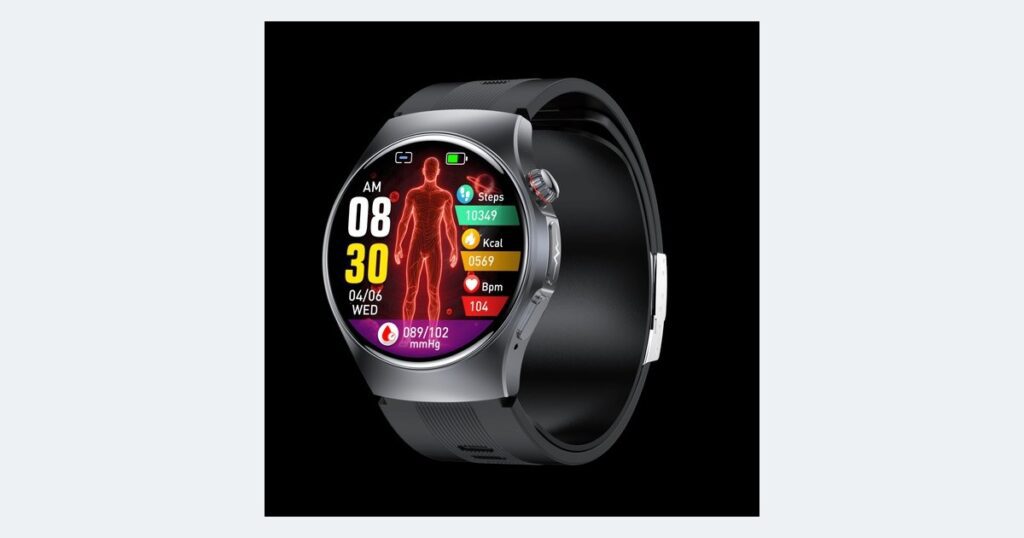
Quick answer: An AMOLED smartwatch with voice assistance, Bluetooth calling and customizable fitness features can give B2B brands a versatile product for lifestyle, wellness and connected-device channels. The commercial value comes from a verified configuration, localized app experience and clear claims.
Wellness disclaimer: Heart-rate, blood-oxygen, sleep and activity readings from a consumer wearable are for general wellness reference. They are not medical advice, diagnosis or treatment and do not replace professional care.
Why AMOLED smartwatches attract wholesale buyers
Distributors want wearables that look premium on a shelf and remain useful after the first week. A bright AMOLED display, app control, voice assistant and Bluetooth calling create an easy-to-explain value proposition for online retailers, fitness stores, corporate gifts and private-label programs.
The SmartByHJ AMOLED smartwatch is positioned for this type of B2B discussion. Its current published configuration includes a 1.56-inch 480×480 display, Bluetooth 5.3 BLE, a 470 mAh battery, multi-motion tracking, music and camera control, weather, alarms, OTA upgrades, voice assistant support and optional functions such as NFC. Confirm the final production specification in writing before ordering.
What the current configuration can support
- Display and design: AMOLED-style presentation with a 1.56-inch, 480×480 screen specification shown on the product page.
- Connected use: Bluetooth low-energy pairing, app dial push, OTA upgrade capability and voice assistant interaction.
- Everyday utility: step counting, activity modes, reminders, stopwatch, weather, alarm, music control and camera control.
- Personalization: button customization and watch-face or app content options can be reviewed during the private-label brief.
- Optional regional features: NFC access-control or wallet-related functions may depend on hardware, firmware, market and app support.
Six checks before approving a sample
1. Confirm the exact display and user interface
Review brightness, touch response, fonts, language coverage and outdoor readability on the actual sample. Approve the watch-face library and app screenshots before packaging is printed.
2. Test calling and voice features
Check pairing stability, microphone and speaker clarity, notification behavior and the supported phone operating systems. Test the voice assistant wording in each target market.
3. Validate wellness functions carefully
Record how heart-rate, blood-oxygen, sleep or stress views are presented and synced. Market these as tracking or trend features unless your own regulatory review supports stronger language.
4. Measure battery performance
Use a repeatable profile covering screen brightness, notifications, calls and tracking. Publish test conditions rather than promising one universal runtime.
5. Verify optional features
NFC, GPS synchronization, SOS, women’s health and regional wallet functions should be checked against the exact hardware, software, country and app version. Do not assume an optional item is included in every order.
6. Lock packaging and after-sales support
Confirm logo placement, manuals, charger, strap, warranty wording, replacement parts and firmware-update procedures. A clear support process helps private-label buyers reduce returns.
How to position the watch for different channels
For fitness retail, lead with AMOLED presentation, multi-motion tracking and music or camera control. For lifestyle stores, emphasize calling, notifications, weather and customizable watch faces. For corporate or promotional programs, focus on logo packaging, language support and a documented sample approval process.
Compare the product with the multi-sport smartwatch sourcing guide when planning a broader assortment. Buyers can also review the smartwatch category for blood-oxygen measurement and discuss a private-label launch using our importer checklist.
Questions to send your supplier
- Which functions are standard and which are optional for the quoted configuration?
- Which app, languages and phone versions are supported?
- What is the MOQ for logo, color, strap and packaging changes?
- Can you provide a golden sample and pre-shipment inspection plan?
- What documentation supports water-resistance or wellness-related wording?
- How are firmware updates, replacements and warranty cases handled?
FAQ
Is this a medical device?
It should be presented as a consumer smartwatch and wellness tracker unless the exact configuration has separate regulatory authorization.
Can the AMOLED smartwatch be private labelled?
Customization depends on order quantity and the approved production brief. SmartByHJ can review logo, packaging, colors and software requirements.
Are NFC and wallet functions available everywhere?
No. Optional hardware, firmware, app support and local services must be confirmed for the destination market.
How do I request a wholesale configuration?
Send your target market, estimated quantity and required functions through the SmartByHJ product inquiry form. No retail price is displayed; the team can prepare a B2B quotation after requirements are confirmed.
Conclusion
A successful AMOLED smartwatch program is built on a tested sample, documented functions and honest market positioning. With the right configuration and localized support, this product can become a strong wholesale or private-label offer.
